.jpg)

.jpg)
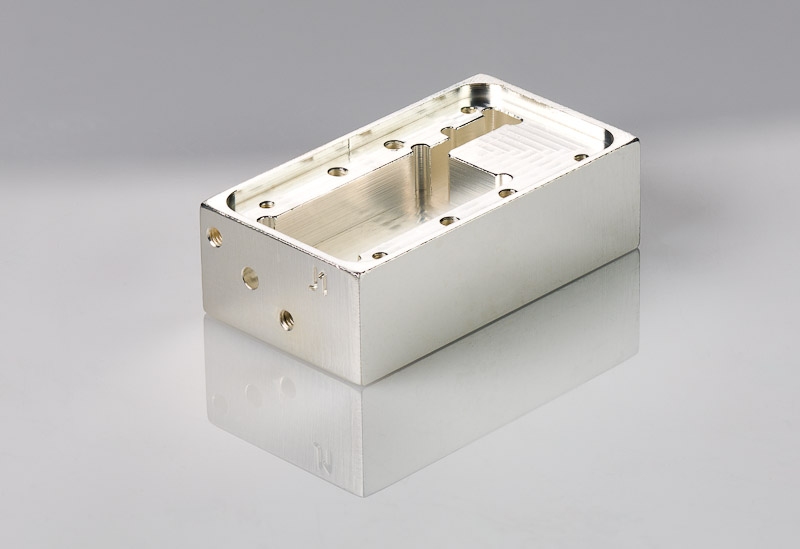
Silver plating is a flexible white coating providing excellent corrosion resistance and enhancing electrical conductivity wear resistance of basis metals.
Our silver plating conforms to the QQ-S-365 standard and ASTM B700
Type I Matte
Type II Semi-Bright
Type III Bright
With time, silver plating tends to lose its luster, which is why tarnish-resistant treatment is often applied. Tarnish-resistant silver plating exhibits low electrical resistance (300-400 microOhm/inch²). Tarnish-resistant, silver plated items are easily soldered using Rosin Cored Solder.
A. With supplementary tarnish-resistant treatment.
B. Without supplementary tarnish-resistant treatment
One system, ideal for electric and electronic systems, offers plating with the
following specifications:
Purity: 99.9% Ag
Hardness: 90-100 Vickers
Deposit Density: 10.5 gr/cm3
The second system offers higher level of hardness and as a result - better wear
resistance, suitable for cutlery, tableware,
musical instruments and more:
Purity: 99.0%-99.9% Ag
Hardness: 150-220mHV
Deposit Density: 10.5 gr/cm3
Silver plating on ferrous metals requires a copper and/or nickel intermetallic
layer of a minimal thickness of 12.7 microns, topped with a silver layer of a minimal
thickness of 12.7 microns.
Silver plating can be performed on copper and copper alloys, aluminum alloys, zinc and
zinc-based alloys, ferrous alloys and undercoats of zinc and copper.
In certain cases, silver plating can serve as an undercoat for gold plating.
In ASTM B700 standard the division is as follows:
Type 1 : 99.9% minimum
Type II: 99% minimum
Type III: 98% minimum
Grade A: Mat
Grade B: Bright
Grade C: Bright {by polishing}
Grade D: Semi bright
Class N-No anti tarnish
Class S-With anti-tarnish


